Start of Christmas drink-drive campaign
Police have launched their December drink and drug drive campaign Operation Limit.
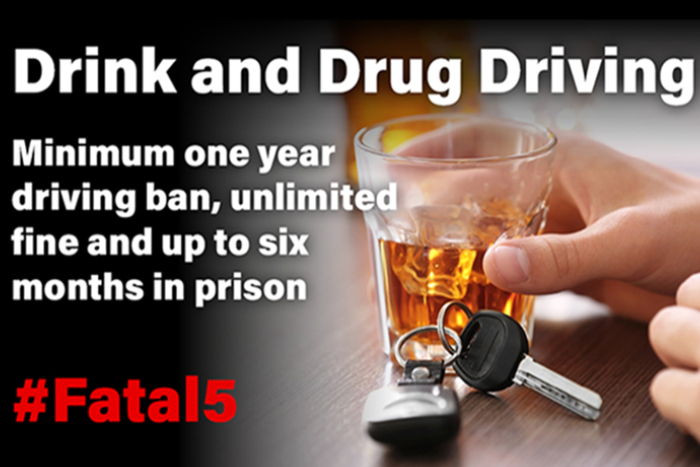
The force is warning people about the consequences of driving with alcohol or drugs in their system and spelling out the penalties if caught.
Under Operation Limit, officers will be carrying out extra patrols with checkpoints at key locations for breathalyser testing.
Inspector Jason Baxter of the Roads Policing Unit said: "Operation Limit is about education, engagement and enforcement on drink and drug driving which is one of our #Fatal5.
“This is, of course, part of our daily business and something we prioritise year-round but this operation is a concentration of our efforts in a month where we see more people out socialising for the festive season. We are reminding drivers of the consequences of being over the limit which can include a hefty fine, a driving ban, and a criminal conviction.”
To drive impaired is a potentially deadly decision.
Nationally, nearly one in five fatal collisions (19.6%) list a driver or rider being affected by drugs or alcohol as a contributory factor.
Insp Baxter explained added: “It is vital that the people using our roads are fit to do so. This is about making Lincolnshire’s roads safer and ensuring that people make the right decisions. If you are out drinking, don’t drive - arrange a taxi or have a designated driver. Also be mindful that you could still be over the limit the following morning.”
Simon Outen-Coe of the Lincolnshire Road Safety Partnership added, “As we enter this festive period, it also gives us a time to reflect on those who won’t be able to join us for whatever reason. Where those who are missing as a result of the impact of drink or drug driving, that pain is reinforced by the knowledge that this is a preventable loss. Drink and drug driving happens because we take a conscious decision to ignore safety and put others at risk.
“If you are one of those individuals who believe this is a safe practice, or frankly just don’t care, then just remember – your decision will have a lasting impact. It may just be the loss of your job, house and driving license.
“In the worst circumstances, it will be the loss of your freedom and the incredible lasting hurt that your selfish actions have had on others. So please, let us all enjoy this period safely and don’t take to the roads whilst under the influence of drink and drugs. That way we can all enjoy this period for many years to come.”
If you suspect someone is drink or drug driving you can report via 101 or report online. If it’s an emergency, call 999. You can also tell the charity Crimestoppers what you know, and stay 100% anonymous. Always. Call 0800 555 111 or fill in the Crimestoppers online form.
Drug/drink driving is one of the #Fatal5 alongside speeding, carelessness, distraction and seatbelts.
Drink/drug driving: key facts
- The legal alcohol limit in England, Wales and Northern Ireland for driving is 80 milligrams of alcohol per 100 millilitres of blood or 35 micrograms of alcohol per 100 millilitres of breath.
- If you've been out drinking, you may still be affected by alcohol the next day and could lose your licence if you drive and are still over the legal limit.
- Alcohol affects everyone differently and any amount can impair your ability to drive. The only safe option is to avoid alcohol completely if you’re driving as even ‘just one drink’ could put you over the limit.
- It's an offence to drive with any of 17 controlled drugs above a specified level in your blood.
- The limit set for each drug is different, and for illegal drugs the limits set are extremely low.
- You should always check with your doctor or pharmacist if you're unsure about whether your prescription or over-the-counter medication will affect your ability to drive.