Heat health alert issued
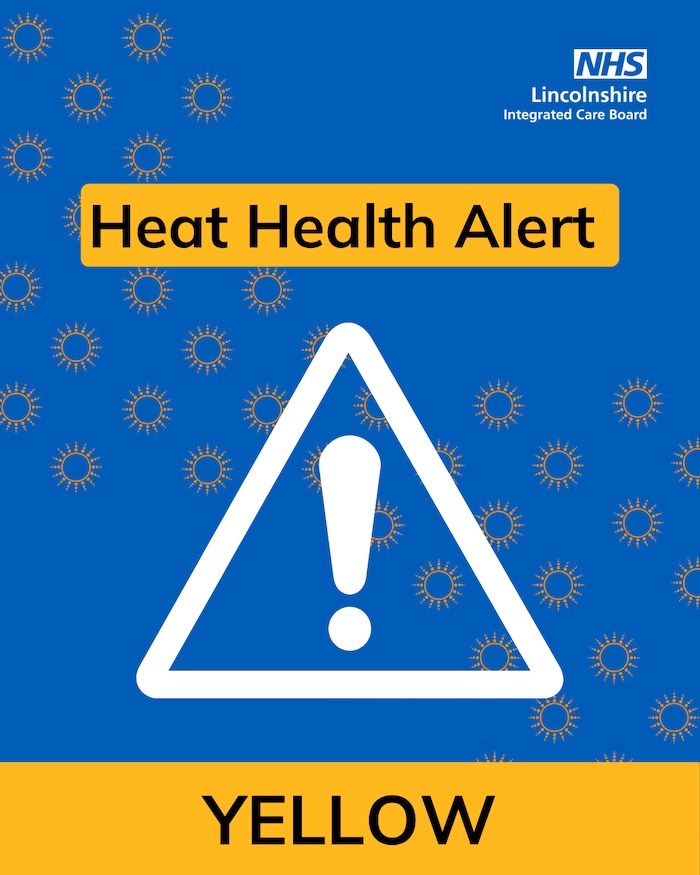
Predicted soaring temperatures mean a yellow heat health alert covering Lincoln will run from 9am this morning until 5pm next Wednesday, May 27.
Thermometers are expected to read between 27 and 32 degrees celsius across the bank holiday weekend so NHS Lincolnshire Integrated Care Board (NCB) is reminding people to be careful in the sun.
Exposure to the hot weather can affect anyone, but some people are particularly vulnerable and health experts are urging everyone to follow some essential steps to avoid becoming unwell through heat exhaustion and heatstroke.
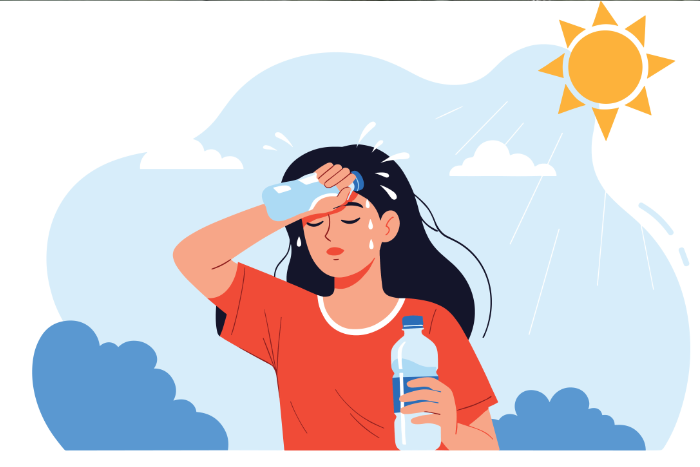
Heat exhaustion occurs when your body overheats and cannot cool down. The condition doesn’t usually require emergency medical attention if you’re able to cool yourself down within 30 minutes. However, if you do not take action to cool yourself down, heat exhaustion can lead to heatstroke.
Common symptoms of heat exhaustion are:
- tiredness
- weakness
- feeling faint
- headache
- muscle cramps
- feeling or being sick
- heavy sweating
- intense thirst
Heatstroke is where the body is no longer able to cool down and the body temperature becomes dangerously high.
Common symptoms of heatstroke include:
- confusion
- lack of co-ordination
- fast heartbeat
- fast breathing or shortness of breath
- hot skin that is not sweating
- seizures
Heatstroke is a medical emergency. If you think someone has heatstroke you should dial 999 and then try to cool them down.
How to protect yourself
- Wear the right clothing, staying in the shade and using suncream.
- Use a sunscreen with a 5* UVA and at least an of SPF 30. Re-apply every two hours, or more often if you have been swimming or exercising. For more information visit Sunscreen and sun safety – NHS
- Drink plenty of water. Cover up with a hat and long sleeves. Wear a wide-brimmed hat to protect your face and neck.
- Wear UV blocking sunglasses to protect your eyes.
- Sun damage to the skin is most likely between 11am and 3pm between March and October. But sunlight can be strong enough to cause sunburn at other times of the day and year, and sometimes even on cloudy days.
Those most vulnerable during hot weather are:
- Older people, especially those over 75, living on their own or in care homes.
- People with serious long-term illnesses including heart or lung conditions, diabetes, kidney disease.
- Those on multiple medications that may make them more likely to be affected by warm weather. Most medicines should be stored somewhere cool, dry and out of direct sunlight.
- People who spend a lot of time outside or in warm places including those living in top floor flats or who work outside.
- Those who find it hard to keep cool e.g. babies and children, those with drug or alcohol addictions or with Alzheimer’s disease.
If you start to feel the symptoms of heat exhaustion, take steps to cool down including:
- moving to a cooler place e.g. somewhere in the shade or a room with air conditioning, avoid direct sunlight
- remove any extra layers of clothing like a jacket or socks
- drink cool water, a sports or rehydration drink, or eat cold and water rich foods like ice-lollies or watermelon
- apply cool water by spray or sponge to exposed skin, and using cold packs wrapped in a cloth and put under the armpits or on the neck can also help
You should start to cool down and feel better within 30 minutes.
If you are concerned about symptoms, or they are worsening, seek medical advice by contacting NHS 111 or in an emergency dial 999.
For more information about how to stay safe visit Choose Well Lincolnshire – Lincolnshire ICB