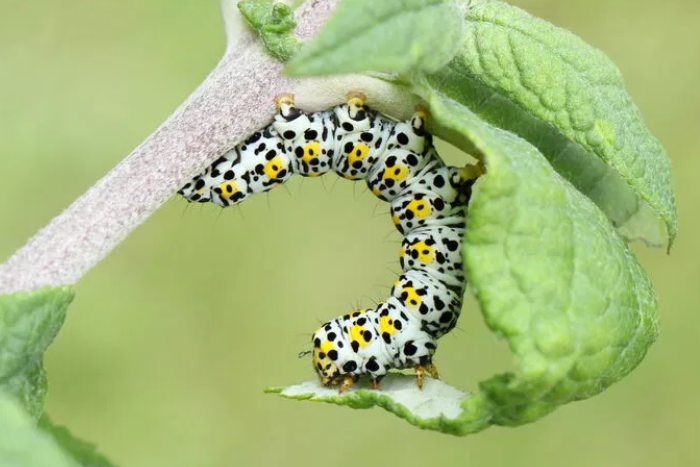
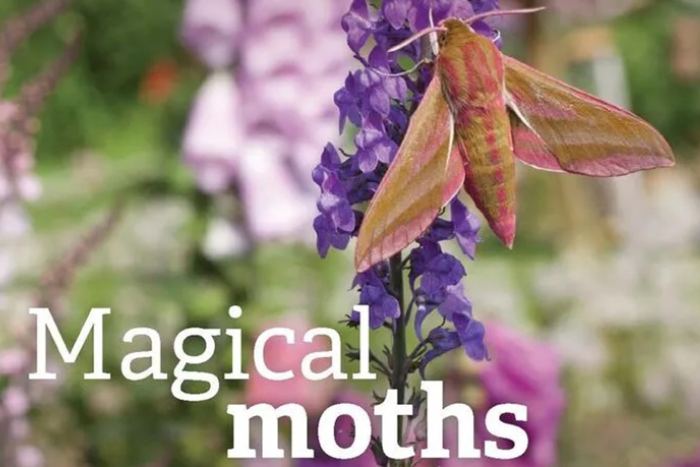
Welcome moths and their caterpillars into your garden
Unicorns, griffins, selkies, dragons…fantastical creatures have always sparked imagination. But the most magical species might be fluttering just on your doorstep.
Moths play a vital role in pollinating plants and sustaining other wildlife, making them indispensable to a healthy, flourishing future for nature.
But, unless we act now, these magical moths could become a thing of legend. Right now our moths are struggling and need our help, according to The Wildlife Trusts.
The trusts are urging us to transform our outdoor space into a haven for both flying adults and their hungry caterpillars through Wild About Gardens.
There are around 2,500 moth species in the UK and they come in an incredible variety of colours, patterns and shapes. Many fly at night, but more than 150 can be seen during the day.
But some species are struggling to survive primarily due to habitat loss, climate change (warming, drought), and light pollution, with populations falling by 33% since the 1960s.
The good news is that anyone with space for growing plants can help.
Our gardens and balconies can be a haven for both flying adults and their hungry caterpillars.
Providing flowers for nectar-hungry moths is a great place to start, offering a selection to last all through the year and feeding their caterpillars by planting native trees and shrubs – a few holes in leaves are signs of success, not failure!
Learn much more about moths, their caterpillars and how to help them in your garden in the new Wild About Gardens’ Magical Moths booklet with creations such as a nectar bar.
Discover the difference between moths and butterflies, the truth about three common moth myths and how to identify some colourful caterpillars.
Download the booklet here
https://www.wildaboutgardens.org.uk/sites/default/files/2026-02/Magical%20Moths%20WEB.pdf