Twilight encounters
By Rachel Shaw
Lincolnshire Wildlife Trust
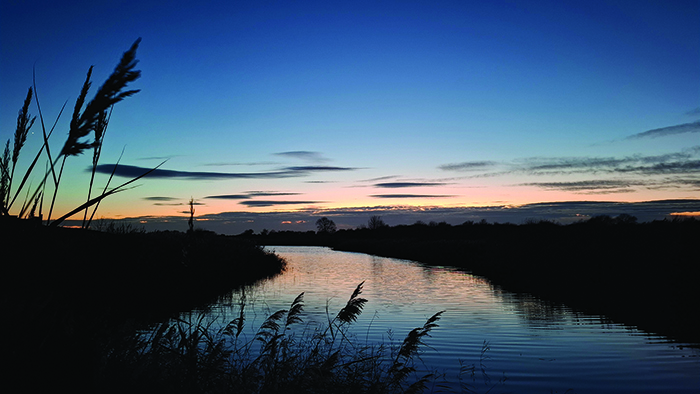
AS I write this, the light is already fading from the sky.
Today, there were just seven and a half hours between sunrise and sunset. When the morning alarm goes off, it’s as dark as it is during the night. The sun descends and darkness returns whilst I’m at my desk. These short winter days can be hard. On days when I’m not working, it’s tempting to stay indoors. Curled up in semi-hibernation on the sofa but that’s to miss out on a special moment in time.
Dusk in the winter has two special features. Firstly, you don’t need to stay up late to experience it (you can even be home in time for tea). Secondly, it’s a great time to see wildlife.
After a meeting at Gibraltar Point (meetings on nature reserves is one of the perks of working for the Lincolnshire Wildlife Trust) we went for a short walk in the late afternoon instead of heading straight home.
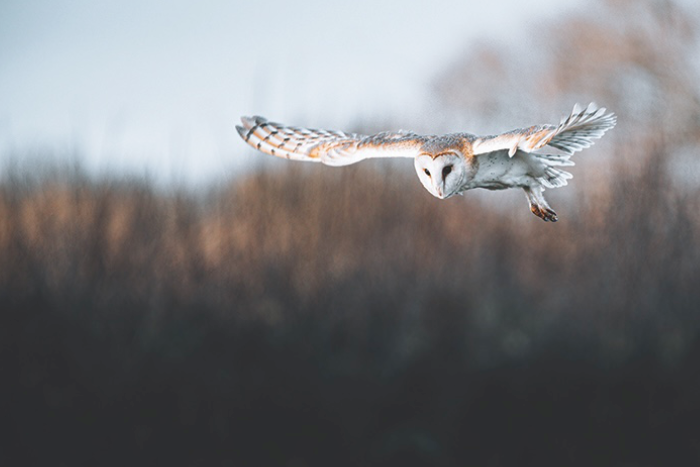
It was bracing out on the beach, oystercatchers were huddled together on the shoreline. But away from the coastal edge, walking in the shelter of trees, it was calm and we experienced one of those magical moments of twilight. A barn owl appeared above the tree tops. It headed in our direction before shifting its wing position and flying silently away.
It stopped us in our tracks and made staying longer all the more worthwhile. I don’t often have the opportunity to visit a nature reserve during the working week. Usually I’m in the office so I’ve been trying to make a special effort to enjoy that late afternoon outdoors on my days off.
It requires wrapping up warm and preparing a flask a hot chocolate. I always take a headtorch too although I don’t often feel the need to use it as my eyes adapt to the falling light levels.
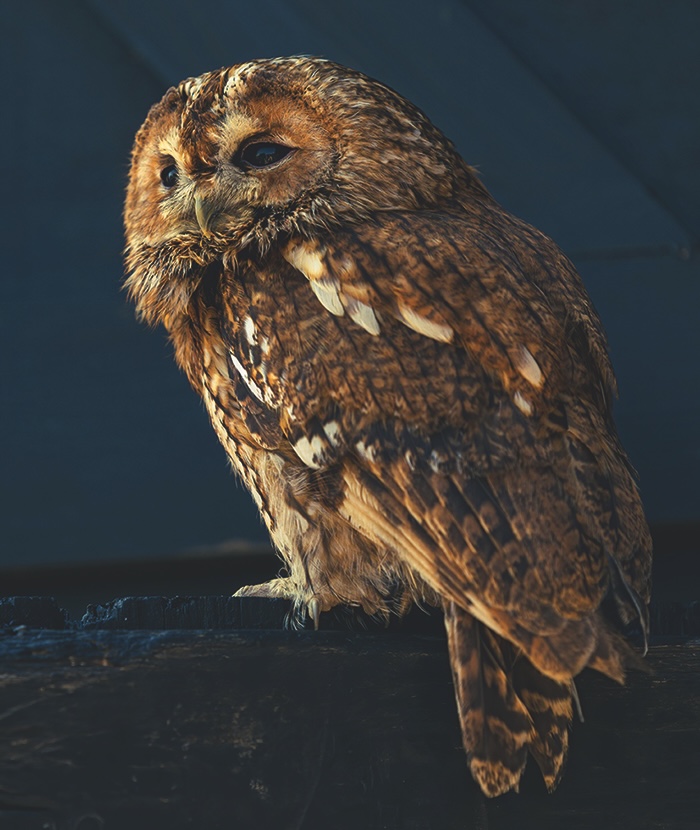
It’s in these twilight hours when birds and other animals are on the move. Wherever you are, crows and rooks will probably be flying overhead. They chatter noisily as they return to the communal roosts. You might hear the “hooo-ooo” hoot of a male tawny owl and the “ke-wick” call of the female in response. But it’s also worth travelling a little further afield (perhaps combining it with a café lunch stop followed by an afternoon walk).
One of the places I’ve been visiting is Alkborough Flats where the River Trent flows into the Humber. I would always expect to see a few marsh harriers above the reedbeds there but at dusk, they gather together in greater numbers.
Last time I was there, I was watching a marsh harrier over the tops of the reeds. Another appeared, then there were three, five, eight, then I was struggling to count. At least 20 birds were seemingly jostling with each other for space in the air. Lifting, wheeling and swapping positions with barely a flap of their wings before dropping down into the reeds leaving the sky empty as if they’d never been there at all.
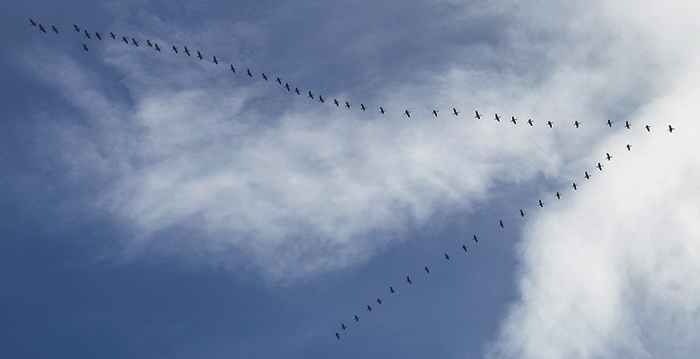
In the distance, lines of small black dots appeared silhouetted against the sky. As they got closer it became clear, they were in the shape of a V with one bird leading the others. It was a skein of pink-footed geese. They called to each other as they flew overhead.
Now, instead of bemoaning the shortness of the days and the darkness, I’m seeing it as an opportunity to experience wildlife and the natural rhythm of the day.