Enjoy the dawn chorus at nature reserves
By Rachel Shaw
Lincolnshire Wildlife Trust
Once a year, on the first Sunday in May, I set my alarm stupidly early just so I can go for a wander amongst nature.
Last year, I got up at 4am and went for a walk from my house through some of Lincoln’s green spaces and out to the edges of the city.
The purpose, to listen to bird song.
It seems a little crazy and when the alarm goes off, I want to go back to sleep but the draw to be outside is also strong and somehow wins out. And I never regret it. The first Sunday in May is International Dawn Chorus Day and all over the world, others are getting up early to listen to bird song.
In early spring, birds sing at the start of a new day. This is known as the dawn chorus. Birds can, and do, sing and make calls at all times of year. But triggered by changing day length, the numbers singing and intensity of song builds towards spring (the breeding season for most bird species).
It may be music to our ears, but most of the bird song is by the males. Bird song has evolved as a mechanism to maintain territories and attract females.
The dawn chorus is at its loudest the first hour after sunrise, hence the early alarm call. By 7am, it’s virtually over so you do have to be up early. And there really is something very special about listening to the rising crescendo of this natural symphony as the sun rises.
This year, the Lincolnshire Wildlife Trust is encouraging everyone to listen in to the dawn chorus. The simplest option is to wake up early, open your bedroom window and listen to the birds in your neighbourhood. Depending where you live, this can be amazing in itself. You could hear blackbirds, robins, wrens, maybe the cooing of collared doves and the chattering of house sparrows.
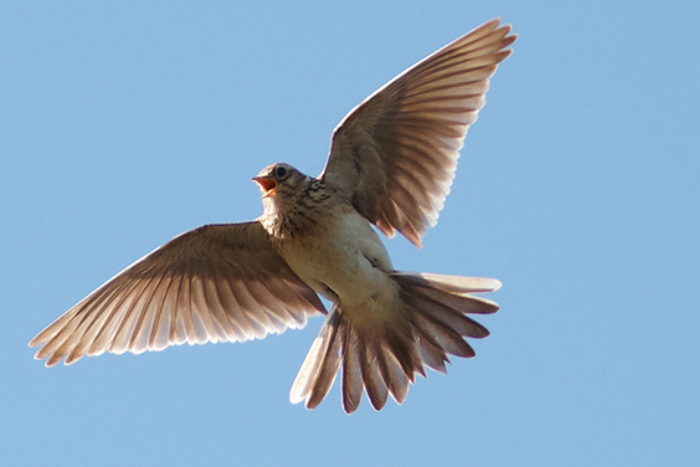
If you venture a little further afield, you could add the songs of blackcaps, willow warblers and perhaps skylarks.
But for a truly immersive experience, nature reserves can be very special. On a nature reserve, the density of birds is likely to he higher and there could be some specialities that are hard to hear elsewhere.
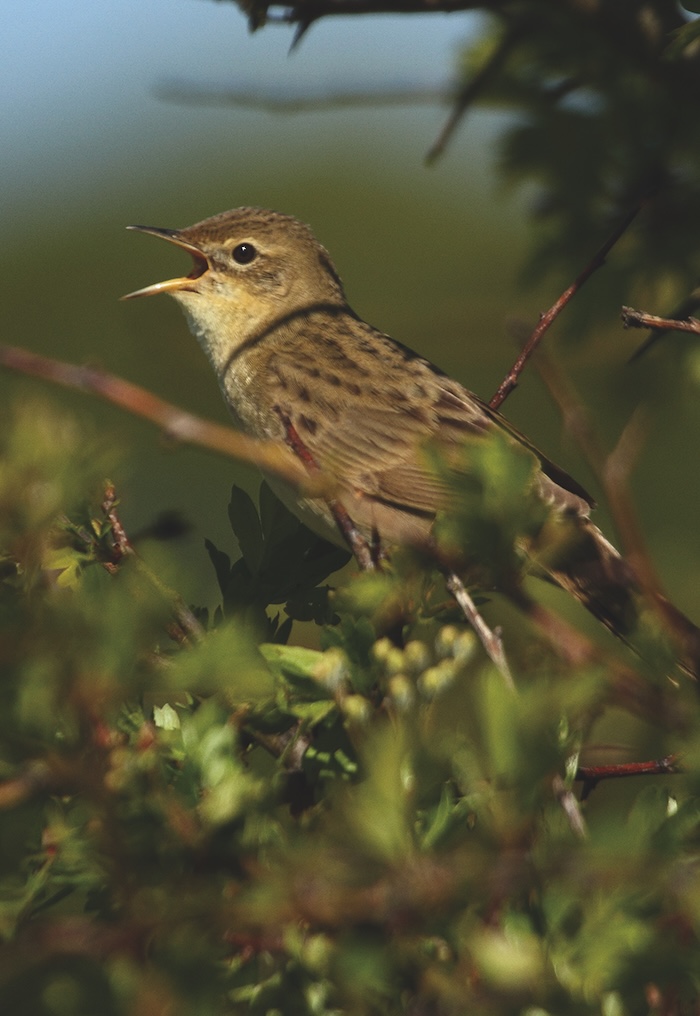
You might hear the booming of bitterns from the depths of reedbeds, the repetitive cuck-coo-ing of cuckoos, the pee-wit call of lapwings as they tumble over wet grasslands or the reeling call of a grasshopper warbler that sounds like a very loud grasshopper.
To help you discover this wild soundscape, the Lincolnshire Wildlife Trust has organised dawn chorus events on nature reserves across the county.
From Whisby Nature Park near Lincoln to Snipe Dales in the Wolds and Gibraltar Point on the coast, there are multiple locations where you can immerse yourself in bird song. Visit the Lincolnshire Wildlife Trust website at lincstrust.or.uk/dawn-chorus to see the list of events - some include breakfast and require booking in advance so don’t leave it too late.